Start with the Social Security Administration’s free replacement process. Losing the card and having your number misused are different problems; a replacement card does not resolve identity theft.
Decide whether a replacement is necessary
This guide concerns U.S. Social Security cards. The SSA says a physical card is not necessary in many situations if you know your number. Before ordering a replacement, ask the organization requesting it which documents it actually accepts. Avoid sending a photograph of the card through ordinary chat just because someone asks.
If you do need a card, start at the official SSA replacement page. The available online route depends on your situation; some applicants need an appointment and supporting documents. Use the instructions shown for your circumstances rather than assuming a friend’s application process will be identical.
You do not need an intermediary to sell you the standard replacement service. Bookmark the official page and check the address before entering personal details. Sponsored search results and polished forms are not evidence that a site belongs to the government.
Separate loss from suspected theft
A card misplaced at home creates a different situation from a wallet stolen with identification and payment cards. Make a short inventory of what was lost and which organizations need to know. Freeze or replace affected payment cards through the issuer and review account activity where relevant.
If you suspect someone has used your identity, follow the FTC recovery process at IdentityTheft.gov. The replacement application is a document service; it is not a fraud investigation. Keep the two tasks separate so you do not stop monitoring simply because a new card arrives.
| Situation | Useful next action |
|---|---|
| Card missing, no signs of misuse | Check whether a physical replacement is required |
| Wallet stolen with bank cards | Contact the card issuers through verified channels |
| An account opened without permission | Start an identity-theft report and contact the creditor |
| Unexpected message offering a new number | Verify directly with SSA before responding |
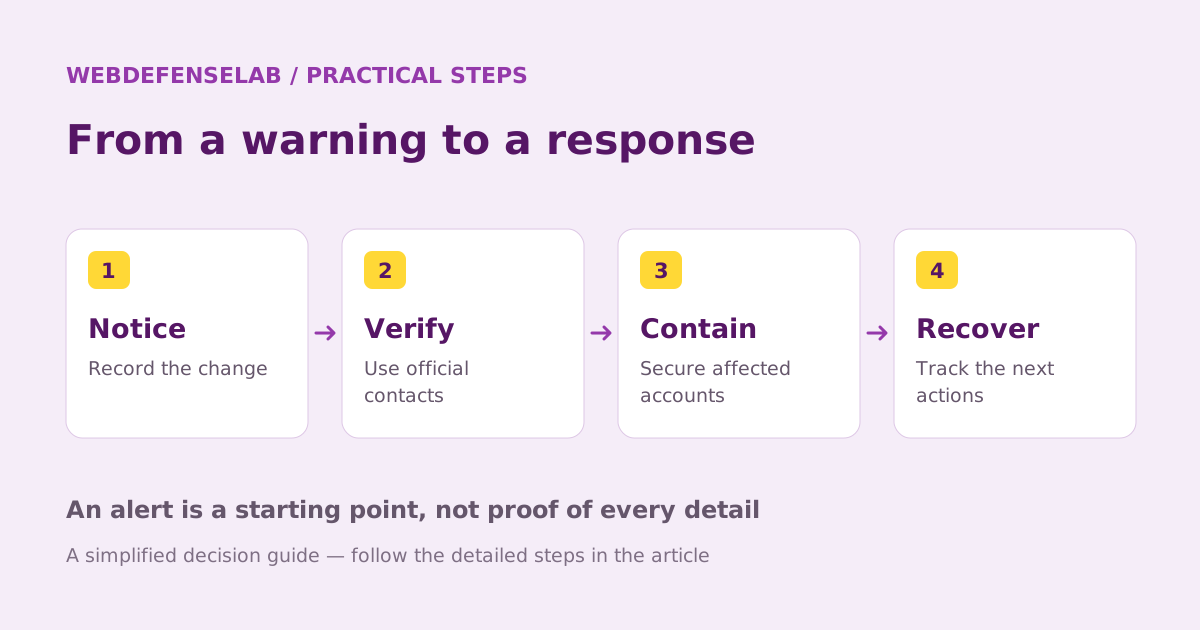
Reduce exposure while you wait
Keep the number out of email subject lines, shared notes, and screenshots. Use a secure document folder for application records, and remove temporary copies from shared devices. If an organization asks for the number, ask why it needs it and whether an alternative identifier is acceptable.
Consider the role of a credit freeze if the number may be exposed. For U.S. credit files, a freeze can help restrict new credit applications; it is not a switch that disables a Social Security number. It will not stop every form of employment, tax, medical, or account fraud.
Check messages through the official account or website instead of trusting unexpected delivery links. You can keep a calendar note to follow up on your application without storing the number in the reminder.
Store the replacement with a plan
Keep the card with other important records rather than routinely carrying it. Decide who needs access and how you would retrieve it during an emergency. A secure storage choice should still be usable when you need an original document.
For example, someone starting a new job may need to review acceptable onboarding documents. They can check the employer’s requirements first, then use the SSA route if a replacement is necessary. They should not upload the card to a third-party “expedited application” site merely because its form appeared first in search.
If suspicious bills, account changes, or credit entries appear later, follow the identity-theft warning-sign guide. A paid alert service is optional; the immediate priority is verifying and addressing the actual misuse.
Sources & review notes
Source review: September 25, 2026. Official resources support the steps above. U.S. procedures apply where stated; follow the relevant authority in your country.
About the author
 Luca MoreauIdentity protection & practical security
Luca’s coverage turns identity-protection and everyday security questions into manageable checklists. The weekly briefings cover accounts, networks, and safer browsing, with a practical action readers can complete in a single sitting.
View profile and articles