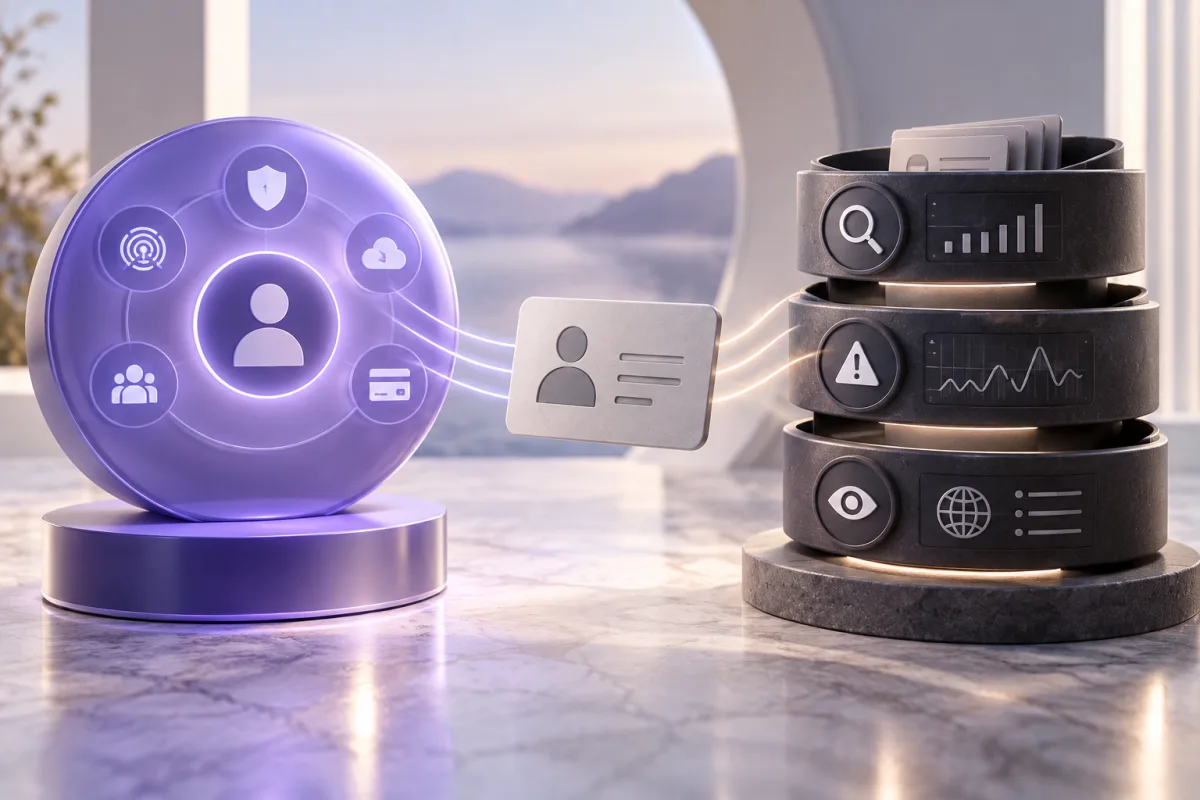
LifeLock is a candidate for readers who want identity monitoring with a defined restoration-support route. Compare the current plan terms closely: bureau coverage, additional monitoring, and reimbursement conditions are not interchangeable.
Compare the current plan, not a remembered name
LifeLock offers several protection plans and describes identity monitoring, credit-related alerts, and restoration assistance. Product names and packages change over time. An older review or a familiar plan label can therefore describe a different package from the one currently offered at checkout.
Open the plan comparison and record the exact name, billing term, covered people, and credit-monitoring scope. Keep that record with the order confirmation. It makes a later renewal or support discussion much clearer than remembering only the headline monthly equivalent.
This review examines published capabilities and purchase decisions. It does not claim that we measured detection speed or tested the outcome of a fraud case. Those results would require a separate, documented evaluation.
What to look for in monitoring
Monitoring is useful when it surfaces an understandable change and gives you a practical next step. Check which credit bureaus and other categories are covered by your chosen plan. Do not infer universal coverage from a general phrase such as “identity protection.”
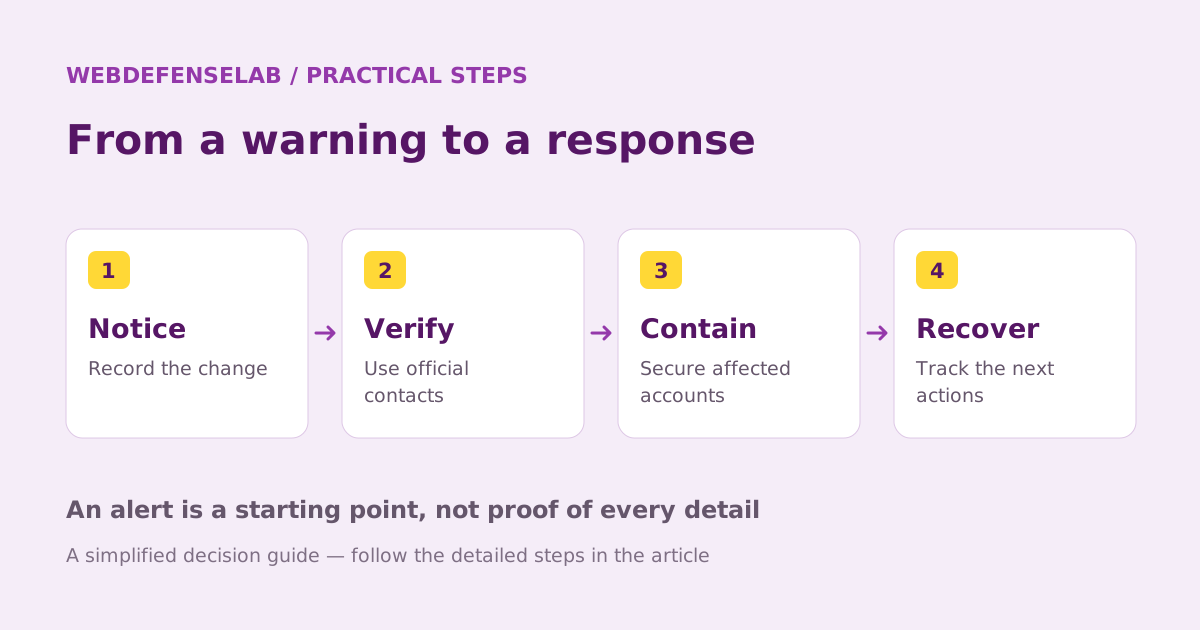
When an alert arrives, independently verify the event. A change can be legitimate, incorrectly reported, or fraudulent. The appropriate response depends on which it is. Keep enough context to identify the affected institution without storing complete sensitive identifiers in casual notes.
| Feature to examine | Why the detail matters |
|---|---|
| Bureaus monitored | Different files can contain different information |
| Other account monitoring | The account type and enrollment process may differ |
| Notification settings | An alert is useful only if you receive and understand it |
| Family eligibility | Each person may need separate enrollment or verification |
How to judge restoration help
LifeLock’s restoration documentation describes specialist assistance. Before relying on it, find out how to open a case, what authorization is required, and which tasks are handled for you. Some institutions may still require direct contact from the account owner.
Treat reimbursement as a policy question. Check the covered losses, applicable limits, exclusions, and timing rules. Ask what applies if a suspected event began before you joined. A subscription page cannot settle the eligibility of a particular future claim.
If you are handling an active incident, begin the relevant official recovery steps instead of waiting for a shopping decision. In the U.S., IdentityTheft.gov can help organize a recovery plan. Buying a service should not delay contacting the affected bank or creditor.
Who should compare alternatives
If your main objective is simple credit-change visibility, compare lower-cost or free options before paying for a wider package. If you are attracted by a bundle with device tools, check whether you already subscribe to equivalent software and whether the proposed replacements suit your devices.
For example, a reader who already uses Norton software should verify precisely what their existing subscription includes before adding LifeLock. Similar branding does not establish identical benefits. The safest comparison uses actual account entitlements and the current offer side by side.
Read Aura vs. LifeLock and the alternatives guide to organize the choice. A service is worth considering when its documented monitoring and assistance address your needs at an acceptable renewal cost.

Check current features, eligibility, and renewal terms.
Sources & review notes
Source review: September 25, 2026. This is a documentation-based assessment; we have not measured alert speed, product performance, or support outcomes. Product terms can change.
About the author
 Luca MoreauIdentity protection & practical security
Luca’s coverage turns identity-protection and everyday security questions into manageable checklists. The weekly briefings cover accounts, networks, and safer browsing, with a practical action readers can complete in a single sitting.
View profile and articles