Identity Guard deserves a look if you want to compare distinct identity-protection tiers. Confirm the specific plan’s credit coverage and assistance rather than assuming the cheapest offer includes everything on the brand’s feature list.
A tiered service needs a tiered comparison
Identity Guard publishes a plan comparison for individuals and families. That structure lets you match a package to a defined need, but it also creates room for misunderstanding when an advertisement summarizes features from several levels together.
Begin with a short requirements list: the people who need coverage, the information you want monitored, and the type of assistance you value. Then mark where each requirement appears in the actual plan table. If the wording is unclear, get a written answer before enrolling.
Our review uses the provider’s documentation rather than a hands-on test of alert timing or restoration. We do not assign a numerical score because we have not gathered the measurements needed to support one.
Credit monitoring is a specific requirement
If credit-change alerts are the reason for buying, identify the bureaus included in the selected tier and how access to reports or scores is described. Monitoring, a report, and a score are separate things. A product may provide one without giving you the others in the form you expect.
Also check whether an alert requires you to add information or finish a separate verification step. An account created successfully is not necessarily an account with every optional monitoring feature enabled. Keep setup confirmations and use a secure notification address.
| Your question | What to record |
|---|---|
| Which plan am I buying? | Exact individual or family tier and billing term |
| What credit coverage is included? | Named bureaus and the relevant feature |
| What happens after an alert? | Support route and your required actions |
| What changes at renewal? | Total charge and cancellation deadline |
Think about the people and the process
For a family plan, check who counts as an eligible member and what each person must do to enroll. Shared billing should not mean shared passwords. Each adult should understand what information is being supplied and who can view it.
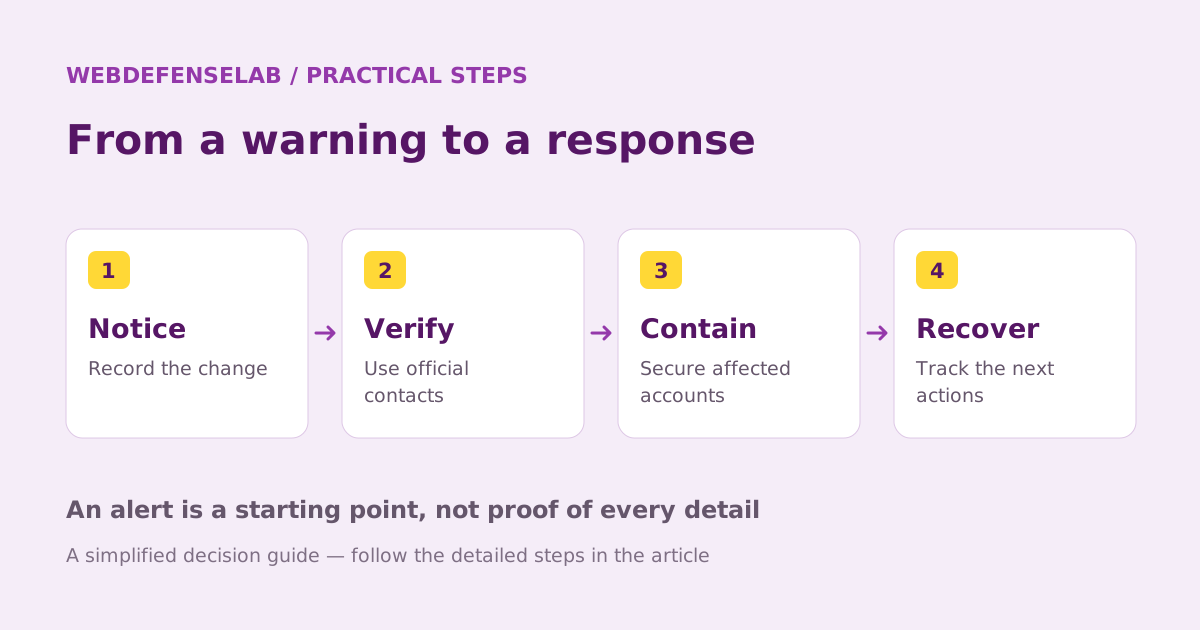
If you may need restoration help, ask how the service handles an incident from the first report onward. Does it explain the next action, provide a case contact, or require you to contact each organization separately? The answer is more useful than a broad label like premium support.
Policy conditions deserve a separate read if coverage for losses is part of the appeal. Find the event definition, relevant exclusions, and documentation rules. Do not assume that the displayed limit settles whether a particular type of scam is covered.
A sensible buying scenario
Imagine a reader comparing an entry tier with a higher tier because they want help tracking changes across their credit files. They should make bureau coverage a required line item and eliminate any option that fails it. Extra features become secondary once the core need is clear.
Another reader already has access to monitoring through a workplace benefit. They should inspect that benefit’s duration and scope before adding a second subscription. The new purchase may still offer useful assistance, but duplicate notifications alone are not a persuasive reason.
Use Aura vs. Identity Guard to compare a broader bundle, and LifeLock vs. Identity Guard for another monitoring option. The best outcome is a plan you understand, including what it leaves for you to do.

Check current features, eligibility, and renewal terms.
Sources & review notes
Source review: September 25, 2026. This is a documentation-based assessment; we have not measured alert speed, product performance, or support outcomes. Product terms can change.
About the author
 Luca MoreauIdentity protection & practical security
Luca’s coverage turns identity-protection and everyday security questions into manageable checklists. The weekly briefings cover accounts, networks, and safer browsing, with a practical action readers can complete in a single sitting.
View profile and articles