What identity theft prevention means in practice
Identity theft happens when someone misuses personal information to impersonate you or commit fraud. The problem can involve an existing account, a new account opened using stolen information, or records that need correcting afterward. Those are different situations, so a useful protection plan has more than one layer.
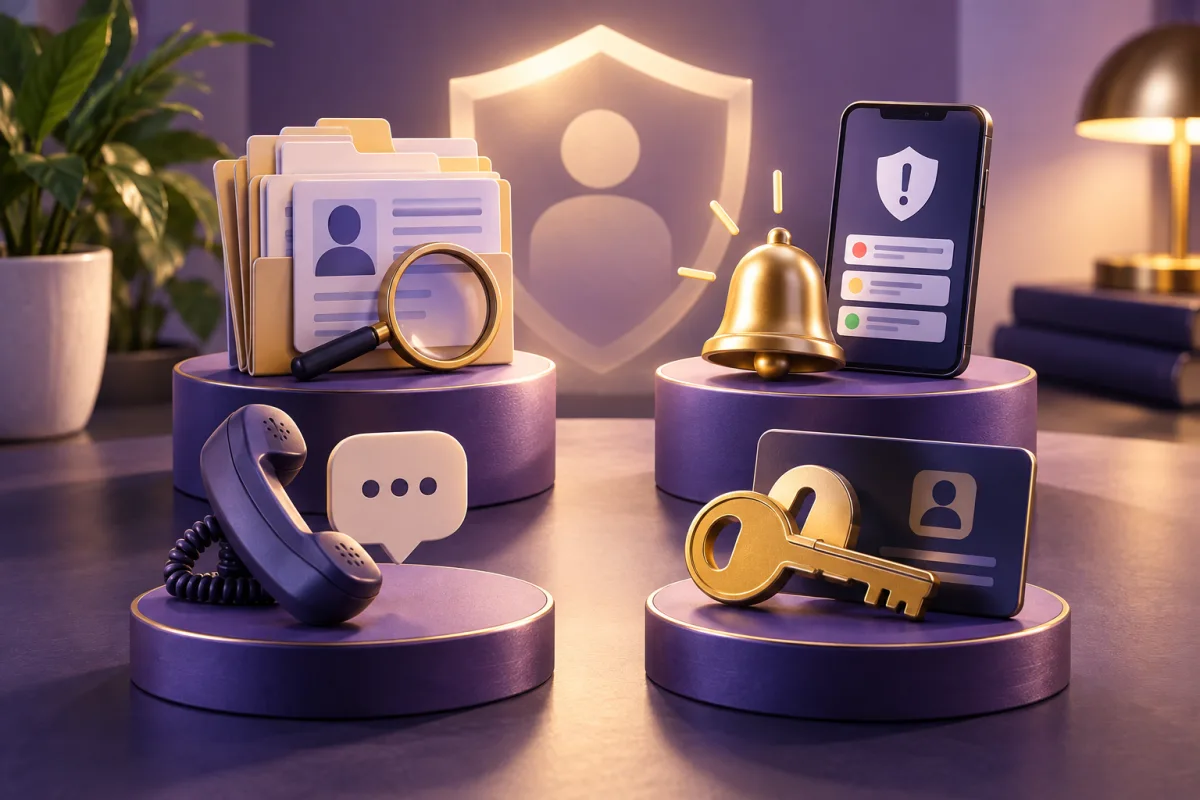
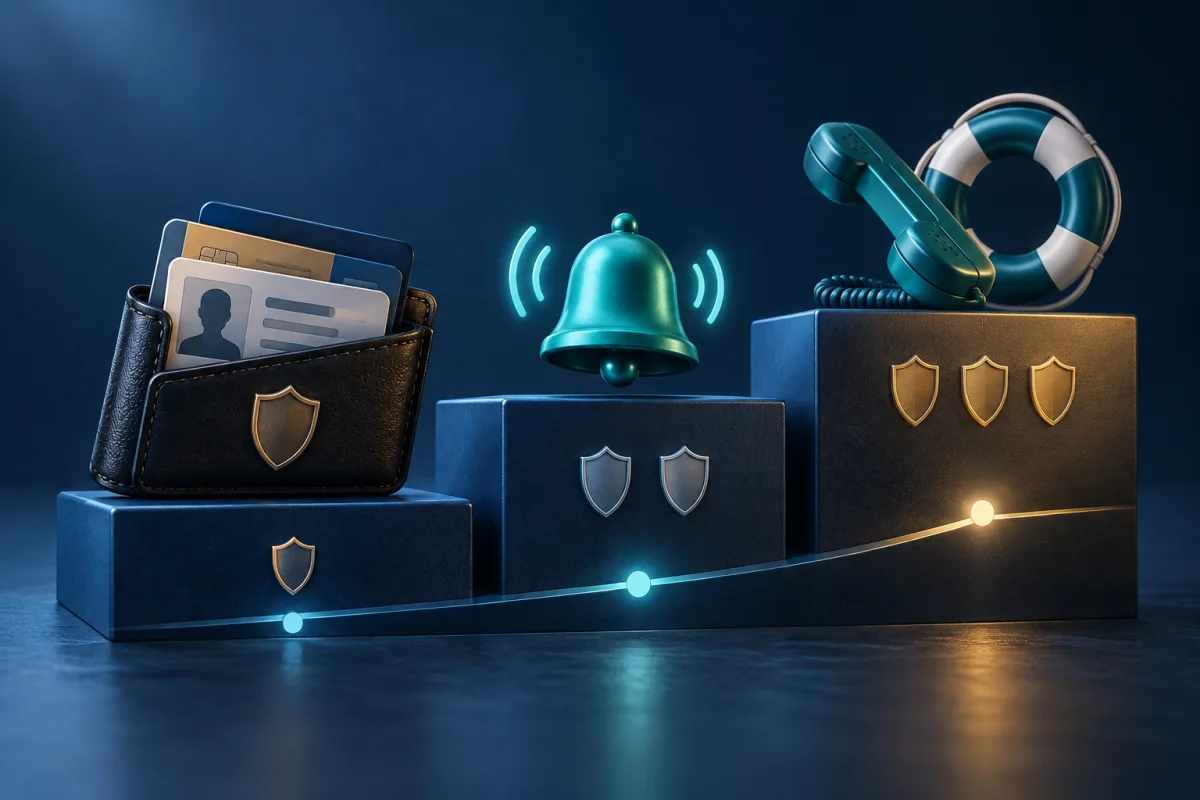
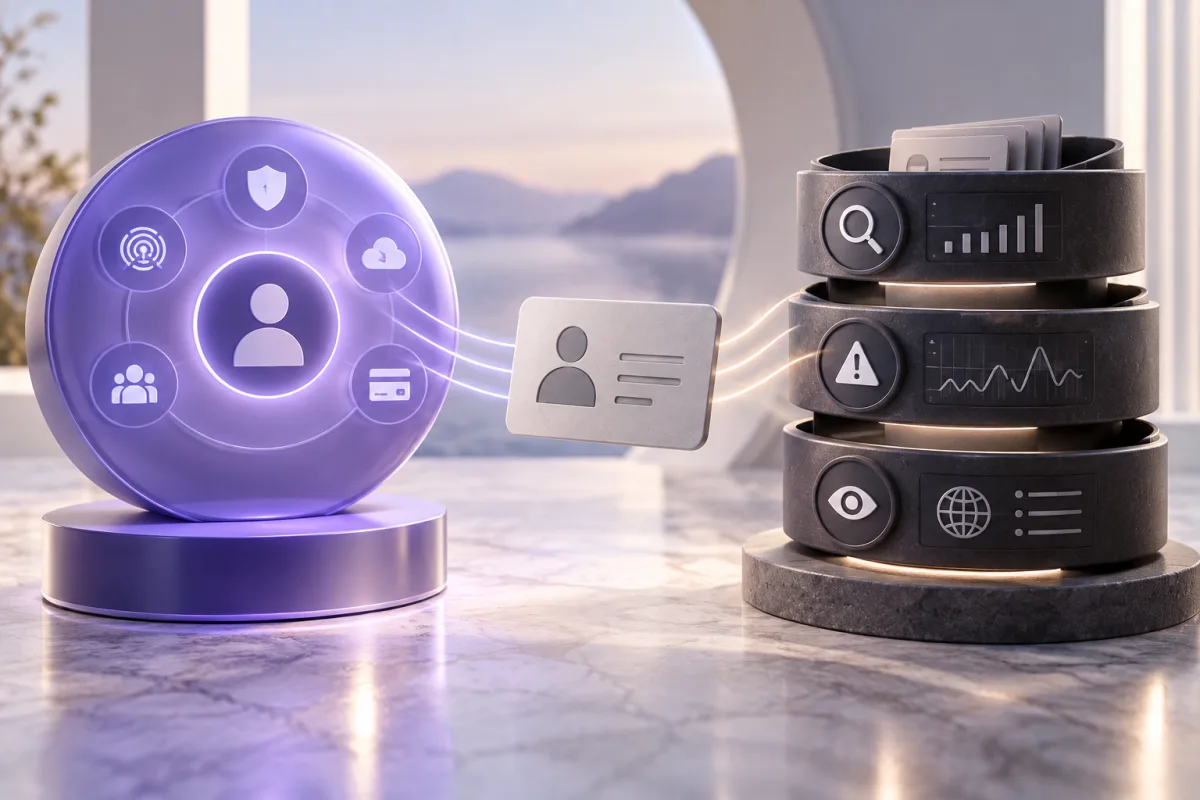
Prevention aims to reduce opportunities for misuse. Monitoring looks for signs that something has happened. Recovery is the work of securing accounts, reporting the incident, and correcting records. A service that sends an alert is not necessarily a service that stops a transaction, and a restoration benefit does not mean every loss will be reimbursed.
Start with the accounts that control other accounts
Your main email account deserves early attention because it may receive password-reset messages for many other services. Give it a unique password, enable an appropriate second factor or passkey where supported, and review the recovery phone and email. Remove recovery details you no longer control.
Next, make a small inventory of accounts that matter: primary email, phone carrier, financial services, and any service holding sensitive records. Record official support routes without collecting passwords in an ordinary document. The purpose is to know where to go if an alert arrives, not to create another unprotected store of secrets.
A password manager can help reduce password reuse. It cannot prevent a company’s data breach or repair incorrect identity records by itself. If the concern is credit activity, our credit monitoring guide explains the separate role of credit-related alerts.
Monitoring, fraud alerts and credit freezes
In the United States, a credit freeze is free to place and lift and does not lower a credit score. You contact each of the three nationwide credit bureaus separately. It restricts access to the credit file for certain new-credit checks; it does not stop all misuse of an existing account. The FTC explains freezes and fraud alerts, including how an initial fraud alert differs from a freeze.
| Tool | Its role | What to ask |
|---|---|---|
| Account notifications | Report activity at a particular service | Which actions trigger a notification? |
| Credit monitoring | Watch covered credit-file changes | Which bureaus and types of change are included? |
| Credit freeze | Restrict access for covered credit checks | How do I lift it when applying legitimately? |
| Recovery assistance | Help organize the response to misuse | What work does the service perform for me? |
These U.S. processes should not be assumed to work identically elsewhere. If you live in another country, use your local official reporting and credit-reference channels. Check eligibility before buying a service whose advertising focuses on Social Security numbers or U.S. credit bureaus.
How to compare identity protection services
Start with coverage and the kind of help you want. A person who is comfortable managing accounts may value a specific monitoring feature; a household facing a complex incident may care more about clear case support. Neither need is captured by a large headline insurance number alone.
Read the service description, eligibility rules, and relevant benefit terms before paying. Identify the covered people, excluded events, reimbursement conditions, and any deductible or claim documentation. Confirm whether a family plan covers children in the way you expect and whether each adult gets a separate private account.
Also review the information required for enrollment. Entering sensitive details should be a deliberate decision made on the genuine provider site. A paid monitoring service needs enough information to perform its stated checks; that makes its privacy and account-security practices part of your comparison.
Our identity protection shortlist links to full reviews of services such as Aura, LifeLock, Identity Guard, and IDShield. Use the product previews to find a relevant starting point, then read the full scope and provider terms.
What to do with an unfamiliar alert
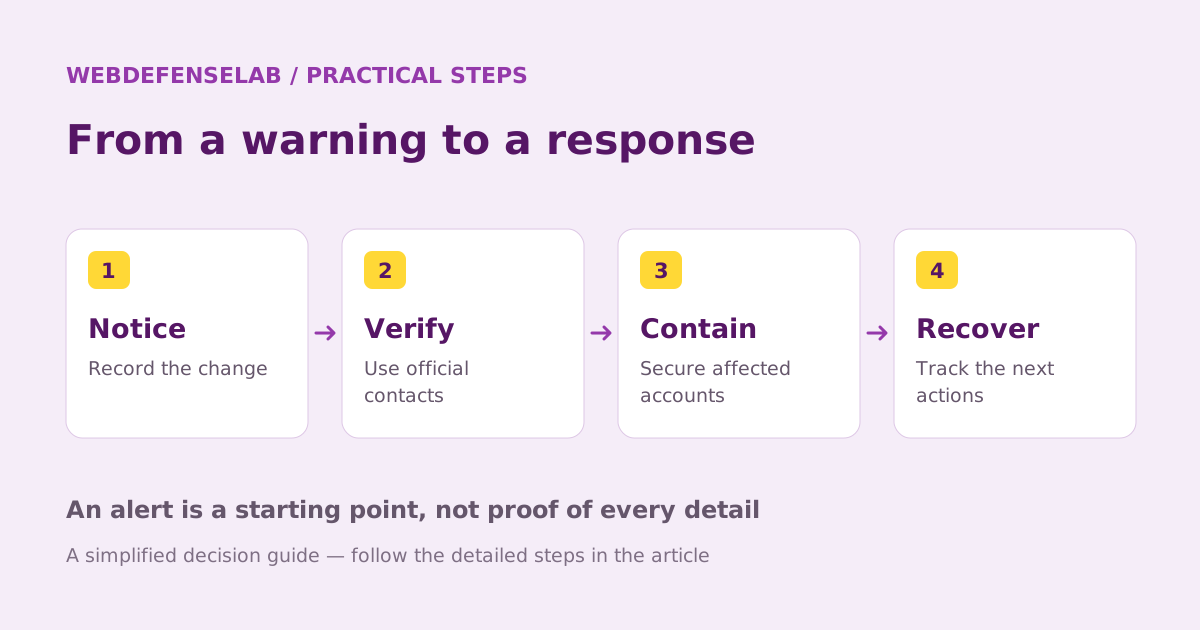
- Open the relevant account or provider through a known address or app, rather than trusting a link in the alert.
- Check what actually changed and save a copy of the relevant notice.
- Contact the affected institution using its verified support route.
- Secure affected accounts from a trusted device, including recovery settings and active sessions.
- For U.S. identity theft, use IdentityTheft.gov to report the incident and obtain a recovery plan.
Keep a dated record of conversations, case numbers, and promised follow-up. For example, a notice about a new account and a notice about a changed email address may require different teams at the same institution. Clear notes reduce repeated explanations and make unresolved steps easier to track.
Do not pay a caller simply because they know a real address or an old password. Personal information can make a fraudulent message look convincing. A useful response begins by verifying the event independently; a subscription does not remove the need for that check.
Common questions
Can a service prevent all identity theft?
No. Coverage is limited to the service’s checks and benefits. Strong account security, appropriate freezes, and a response plan remain useful even with a subscription.
Is monitoring the same as freezing credit?
No. Monitoring looks for covered changes. A freeze restricts access for certain credit checks. Their purposes differ, and U.S. freezes are available without buying a monitoring plan.
Should I buy a family plan?
Compare each person’s eligibility, privacy, monitoring coverage, and recovery needs. Count the people actually covered, not simply the number mentioned in a headline.
Sources and guide notes
Reviewed September 25, 2026. Explanations draw on the documentation below; examples and selection checklists are WebDefenseLab guidance. Product summaries are documentation-based assessments, without hands-on scores.