
IDShield is worth comparing when guided restoration is a major priority. Its documented access to licensed private investigators is a distinctive service feature; it is not a guarantee that every loss or dispute will be resolved in a particular way.
What makes the service worth investigating
IDShield describes identity monitoring and restoration assistance involving licensed private investigators. Its site also distinguishes one-bureau and three-bureau monitoring choices. These details give you concrete questions to compare against other providers instead of relying on the general idea of protection.
This review is based on the service’s published information. We have not opened a restoration case or measured how quickly an investigator responds. A documented service model can inform your shortlist without being mistaken for evidence of a tested outcome.
If your concern is an incident already underway, ask whether assistance is available for that situation before subscribing. Timing, eligibility, and policy conditions may matter. Keep working with the affected institution while clarifying those questions.
Understand authorization and case handling
IDShield’s restoration material describes assistance under a power of attorney. Before authorizing a representative, understand the scope of the document, what actions it permits, how you receive updates, and how the authorization can end. Keep a copy in your private case folder.
Ask which organizations the service can contact on your behalf and which steps still require your participation. For example, an institution may need identity verification directly from you even when someone is helping organize the case. Knowing that in advance makes the support more usable.
| Stage | A useful question |
|---|---|
| Reporting | Which contact route begins a restoration case? |
| Authorization | What exactly can the representative do? |
| Progress | How will I see actions taken and remaining tasks? |
| Completion | Which records should I retain afterward? |
Choose monitoring coverage deliberately
Compare the named bureaus in the offered plan rather than assuming all options watch the same files. Different credit reports can contain different entries. Decide whether your priority is basic visibility or broader coverage and price the actual version that satisfies it.
For households, review the eligible family members and enrollment requirements. Check how adults access their information and what happens when a child’s age or living situation changes. A family label does not remove the need to read the definitions.
If a reimbursement plan is included, examine its terms independently from restoration assistance. A person helping you dispute an account and an insurer deciding whether to reimburse a loss are separate parts of the service.
How to decide whether it fits
A reader who expects to need help organizing calls and documentation may value the restoration model more than extra device software. Another reader who only wants a credit-change alert may find a simpler monitoring arrangement sufficient. Neither decision requires treating one provider as universally best.
Before purchasing, calculate the total for your chosen bureau coverage and household size. Note renewal, cancellation, and any restrictions relevant to your situation. Save the plan description you used to make the decision so you can check it against the confirmation.
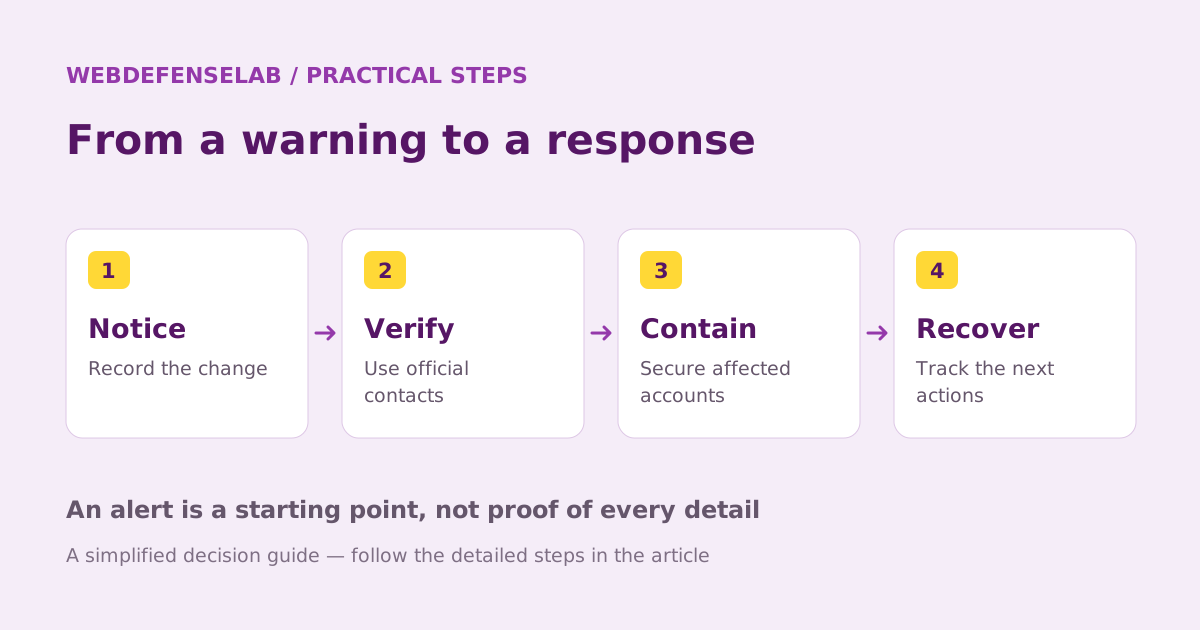
Compare the other identity-protection options and keep the warning-sign checklist handy. A subscription is most useful when it complements a clear response routine and verified official contacts.

Check current features, eligibility, and renewal terms.
Sources & review notes
Source review: September 25, 2026. This is a documentation-based assessment; we have not measured alert speed, product performance, or support outcomes. Product terms can change.
About the author
 Luca MoreauIdentity protection & practical security
Luca’s coverage turns identity-protection and everyday security questions into manageable checklists. The weekly briefings cover accounts, networks, and safer browsing, with a practical action readers can complete in a single sitting.
View profile and articles